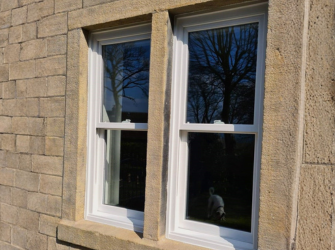
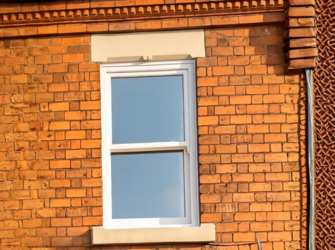
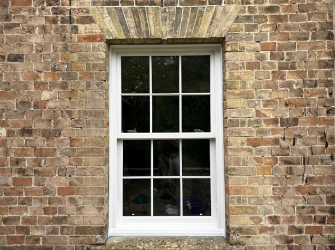
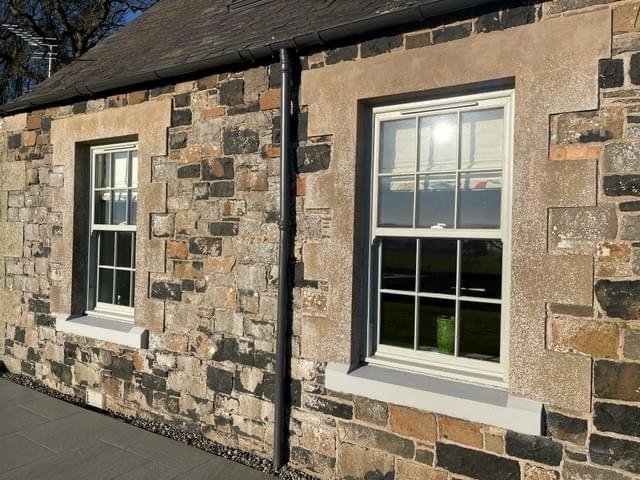
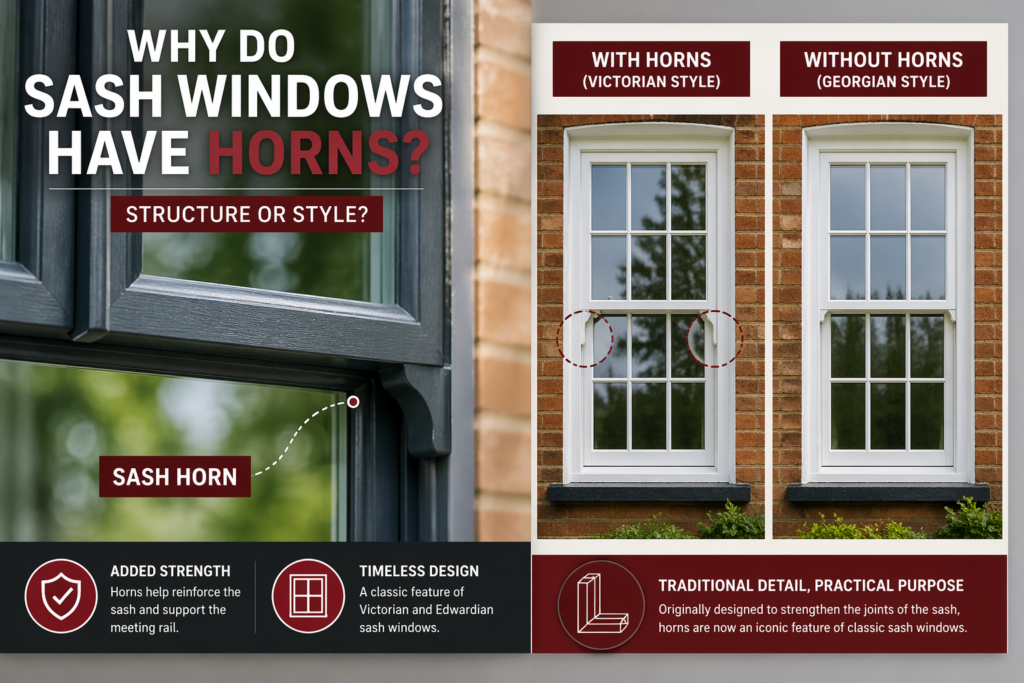
If you have ever looked closely at a traditional sash window, you may have noticed small projections at the bottom of the top sash. These are called sash horns, and they often raise a simple question: why do sash windows have horns?
The short answer is that sash horns were originally added to strengthen the joint between the glazing bars and the sash frame. Over time, they also became a familiar design feature, especially on Victorian and later sash windows. Today, they still matter because they can affect both the appearance of the window and how suitable it looks on different types of property.
In this guide, we explain what sash window horns are, why they were introduced, whether all sash windows should have them, and how to choose the right style for your home.
What Are Sash Window Horns?
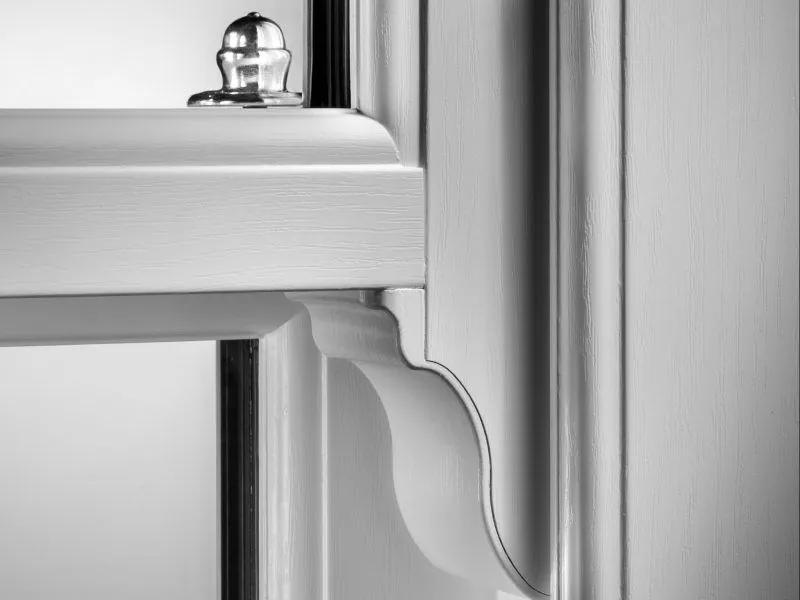
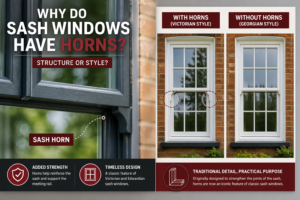
Sash window horns are small extensions of timber, uPVC, or another window material that project below the bottom corners of the top sash.
They usually sit just beneath the meeting rail and can be shaped in different ways depending on the design of the window. On some windows they are fairly subtle, while on others they are much more decorative.
You may also hear people refer to sash horn windows, which simply means sash windows that include horns as part of the design.
Why Do Sash Windows Have Horns?
The main reason sash windows have horns is structural support.
When larger panes of glass became more common in the 19th century, sash windows started to have heavier glass and slimmer glazing bars. This placed more stress on the joints of the sash, especially where the meeting rail connected to the vertical side sections. Horns were introduced to help reinforce this area and reduce the risk of weakness over time.
So if you are asking, why do sash windows have horns, the traditional answer is this: they were added to make the sash stronger.
Later on, they also became part of the visual identity of many period sash windows, particularly Victorian and Edwardian styles.
Were Sash Window Horns Always Used?
No, they were not.
Earlier Georgian sash windows often had no horns at all. This means a property from the Georgian period would usually have a cleaner, simpler sash design.
Horns became more common later, particularly during the Victorian era, when glass technology changed and window proportions evolved. That is why the presence or absence of horns can say a lot about the age and style a sash window is trying to replicate.
Are Sash Horns Decorative or Practical?
They are both.
Originally, sash windows horns were added for practical reasons, but over time they also became a decorative detail that people now associate with classic sash window design.
Today, horns may still contribute a little to the overall strength of some window designs, but in many modern replacement sash windows they are mostly included for authentic appearance.
That matters because the wrong horn style can make a window look out of place, especially on a period property.
Which Properties Usually Have Sash Horns?
Sash horns are most commonly associated with:
Victorian homes
Victorian sash windows often feature horns, sometimes with a more pronounced or decorative shape.
Edwardian homes
Edwardian sash windows may also include horns, although the design can vary depending on the property.
Some later period and reproduction properties
Modern sash windows fitted in traditional-style homes often include horns to help match the existing character of the building.
Which Properties Often Do Not Have Sash Horns?
Properties inspired by earlier Georgian design often suit sash windows without horns.
If a home originally had elegant Georgian-style sash windows, fitting large decorative horns can sometimes make the replacements look less authentic. This is one of the reasons it is important to choose a window design that matches the age and style of the property, not just the opening size.
Do Modern Sash Windows Need Horns?
Not always.
Modern sash windows are made with different materials and manufacturing methods, so they do not always rely on horns in the same way older timber windows once did. However, horns are often still included because homeowners want the windows to look in keeping with the original design of the house.
In other words, whether you need them depends more on appearance and historical accuracy than on pure strength.
Types Of Sash Window Horns
There is no single style of sash horn. Common options include:
Run-through horns
These extend more fully below the meeting rail and create a more traditional, prominent look.
Stub horns
These are smaller and less noticeable, giving a cleaner appearance.
Decorative horns
Some horn designs are shaped with curves or detailing to reflect a specific period style.
Choosing the right option depends on the architectural character of the property and how closely you want the new windows to match the originals.
Are Sash Horns Important For Planning or Conservation Areas?
They can be.
If you live in a conservation area or own a listed property, details like sash horns may matter more than you think. Local planning officers often want replacement windows to reflect the original design as closely as possible. That may include the horn shape, glazing bar arrangement, opening pattern, and overall proportions.
Using the wrong horn style could make replacement windows look less authentic, even if the rest of the design is fairly close.
Can uPVC Sash Windows Have Horns?
Yes, they can.
Many modern uPVC sash windows are made with mechanical joints, woodgrain finishes, and horn details to create a more traditional appearance. This can help them look more convincing in period-style homes compared with very plain modern replacements.
That said, some older replacement windows from the 1980s and 1990s often had horn designs that looked bulky or unconvincing. Modern versions tend to be much better, but the detailing still makes a big difference.
Should Replacement Sash Windows Have Horns?
It depends on the property.
As a general rule:
- If your home originally had horns, replacement windows should usually include them.
- If your home is Georgian or designed without horns, hornless sash windows may look more appropriate.
- If you are unsure, check old photos, neighbouring properties, or ask a specialist who understands period window design.
The goal is not simply to choose what looks attractive in isolation. It is to choose what looks right for the house.
Do Sash Horns Affect Value or Kerb Appeal?
They can.
Small design details make a big difference to how authentic sash windows look. Well-designed horns that suit the property can improve kerb appeal and make replacement windows feel more in keeping with the building. Poorly chosen horns, or horns on the wrong style of property, can have the opposite effect.
People may not always know exactly what is wrong, but they often notice when windows just do not look quite right.
Sash Window Horns, Common Myths
All sash windows should have horns
Not true. Many earlier sash windows did not have them.
Horns are only decorative
Not originally. They began as a strengthening feature.
Hornless sash windows look unfinished
Not at all. On the right property, hornless sash windows can look more authentic and elegant.
Every horn design is the same
Definitely not. The size, shape, and projection can vary a lot.
How To Choose The Right Sash Horn Design
When choosing between different sash windows horns, think about:
The age of the property
The window design should reflect the period of the home.
Existing windows nearby
Look at neighbouring houses or any original windows still left on the property.
Material choice
Timber, uPVC, and aluminium sash windows can all interpret horns slightly differently.
Overall authenticity
Horn shape should work with the glazing bars, meeting rails, frame proportions, and finish.
Final Thoughts
So, why do sash windows have horns? Originally, they were introduced to strengthen sash window joints as glass sizes increased. Over time, they became a defining feature of many Victorian and later sash windows.
Today, sash horns still play an important role, mainly because they help replacement windows look right for the property. The key is not whether horns are good or bad, but whether they are appropriate for the style of the home.
Get the detail right, and sash windows can look beautifully in keeping. Get it wrong, and even an expensive replacement can feel slightly off.
FAQs
Why do sash windows have horns?
Sash windows have horns because they were originally added to strengthen the sash joint, especially as larger panes of glass became more common in the 19th century.
Do all sash windows have horns?
No. Many Georgian sash windows were designed without horns, while Victorian and later sash windows often include them.
Are sash window horns structural?
Originally, yes. In modern windows, they are often included more for appearance and period accuracy than for structural reasons.
Can modern sash windows be made without horns?
Yes. Modern sash windows can be made with or without horns, depending on the style of the property and the look you want to achieve.
Do uPVC sash windows have horns?
Many do. Modern uPVC sash windows often include horn details to create a more traditional sash window appearance.
Are horns important in conservation areas?
They can be. In conservation areas or listed buildings, matching the original window design, including horn details, may be important.